
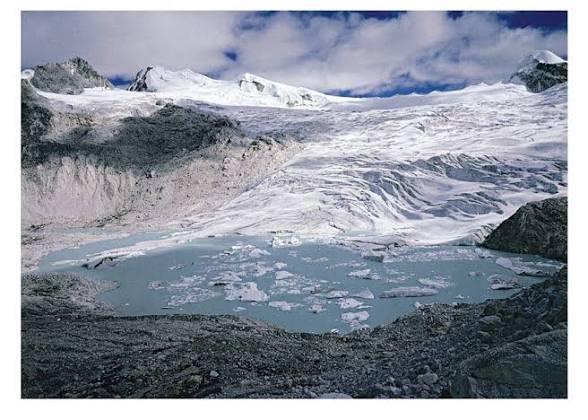
GUWAHATI, October 30, 2026: Residents living near rivers in parts of Assam and West Bengal have been asked to remain alert after a glacial lake reportedly burst in Bhutan on Thursday evening. Authorities are watching the movement of water towards the Indian border and have advised people in vulnerable areas to move to safer places.
The incident was reported at Shintaphu Lake, also referred to as Sintaphu in some reports, in Bhutan’s Gasa district. The lake is located near Wakila Mountain in the Laya region. The sudden release of water has raised concerns about a possible rise in the level of rivers flowing from Bhutan into India.
The warning is particularly important for settlements along the Sankosh river in northern West Bengal and adjoining areas of Assam. District officials and local representatives have appealed to residents not to wait for water levels to rise before taking precautions.
Residents near Sankosh asked to move to safer areas
In West Bengal, Forest Minister and Kumargram MLA Manoj Kumar Oraon issued a warning to people living near the Sankosh river in Alipurduar district. He urged residents to leave vulnerable locations and cooperate with the local administration.
The warning covered areas around Kumargram, including nearby tea estates and forest villages. Public announcements were made to alert people about the possibility of a sudden rise in water levels.
BJP MP Raju Bista also appealed to residents of the Darjeeling hills, Terai and Dooars to remain cautious. In a message shared on social media, he said water from the affected lake was moving through the Mofu river towards the Sankosh river system.
The concern is not limited to West Bengal. Parts of lower Assam, particularly areas close to the Bhutan border, are also being monitored. Reports have identified Kokrajhar, Baksa, Chirang and Dhubri in Assam, along with Alipurduar and Jalpaiguri in West Bengal, among the districts under watch.
The authorities are assessing the situation as the water moves downstream. The level of risk may vary between locations depending on their distance from the river and local conditions.
What happened at Shintaphu Lake?
The outburst was reported on Thursday evening. According to reports from Bhutan, residents in the affected area were alerted and moved to safer ground. Sirens were sounded in places close to the river system.
The National Centre for Hydrology and Meteorology (NCHM) in Bhutan is monitoring water levels. An official told India Today that a monitoring station at Taktsimakhang had not triggered an alert at the time of the initial report. The full scale of the outburst and its impact downstream were still being assessed.
Shintaphu Lake is considered one of Bhutan’s 17 potentially dangerous glacial lakes. It lies in the upper reaches of the Mo Chhu river basin, which is connected to the wider Punatsangchhu river system.
A glacial lake outburst flood, commonly called a GLOF, happens when water stored in a lake formed by melting glaciers is suddenly released. This can happen when the natural barrier holding the water back becomes unstable or breaks.
Unlike ordinary river flooding, a GLOF can send a sudden surge through mountain valleys. The water may carry rocks, mud and other debris, putting settlements, bridges and roads downstream at risk.
Why Indian districts are concerned
Rivers flowing from Bhutan cross into India, making sudden changes in water discharge a concern for communities on both sides of the border. The Sankosh river is particularly important for parts of northern West Bengal and adjoining Assam.
India issued a special flood advisory warning of a possible sudden rise in water levels in Alipurduar and Dhubri. The advisory indicated that floodwater could reach the India-Bhutan border within six to eight hours. Officials in the concerned areas were asked to monitor the situation and take precautionary steps.
The Central Water Commission’s monitoring locations, including Barobisha, Sankosh LRP, Golakganj and Baladoba, have also been asked to keep track of river conditions and report significant changes.
At this stage, the main concern is the possibility of a sudden surge rather than confirmed widespread flooding across all the districts on alert. Authorities are waiting for further information on water levels and the movement of the discharge.
Monitoring continues as residents receive warnings
Local administrations have been asked to keep residents informed and prepare for emergency assistance if required. People living close to riverbanks have been advised to stay away from riverbeds and avoid crossing streams or bridges where water levels may change suddenly.
The situation also highlights the importance of sharing weather and river-level information between Bhutan and India. Since rivers do not stop at national borders, timely communication can help downstream communities prepare before floodwater reaches populated areas.
For now, officials are monitoring the rivers and assessing the possible impact of the lake outburst. Residents in vulnerable locations have been asked to follow instructions from local authorities rather than rely on unverified messages circulating on social media.
The coming hours will be important in determining how much water reaches the Indian side and whether precautionary warnings need to be extended to more locations.