
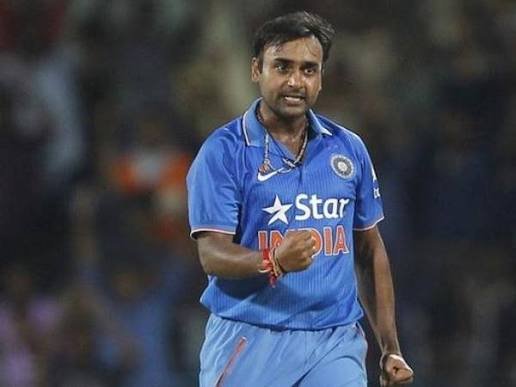
New Delhi, October 26, 2026: Former India leg-spinner Amit Mishra has spoken about a difficult period in his cricketing career, revealing that being dropped from the national team left him struggling with depression for around 18 months. Despite achieving his dream of representing India, Mishra said he found it difficult to understand why opportunities had stopped coming his way.
In a conversation with former India batter Aakash Chopra, Mishra recalled repeatedly questioning himself after being left out of the team. He said the uncertainty affected him deeply, especially because he was still playing cricket but could not understand what had gone wrong.
“I went into depression for a year and a half,” Mishra said, explaining how the experience left him searching for answers. He kept wondering what mistake he had made and why he was no longer getting chances to represent the country.
His account offers a glimpse into the pressure professional cricketers can face when selection decisions change the course of their careers. For Mishra, the disappointment was not limited to missing out on international matches. He also found himself outside some domestic teams, making it harder for him to understand his position in the game.
From India Debut to Uncertainty
Mishra made his international debut in 2003. Getting the opportunity to play for India was an important milestone, but his time in the national setup was followed by a difficult stretch in which he struggled to regain his place.
He was not selected for the Duleep Trophy and also missed out on the India A zonal setup. These setbacks added to his confusion because he had expected his cricketing journey to move forward after making his international debut.
Instead, he found himself wondering why he was being overlooked. Mishra said he continued playing but could not stop thinking about the reasons behind his exclusion.
The uncertainty took an emotional toll. He also revealed that he did not feel he had anyone he could comfortably speak to about what he was going through. He kept his concerns to himself rather than sharing them with his family, leaving him to deal with the disappointment largely alone.
His experience shows that the challenges faced by athletes are not always visible from the outside. While fans often focus on performances, statistics and selection announcements, players can also be dealing with uncertainty about their careers and their future in the sport.
A Selector’s Feedback Changed His Approach
Mishra said a conversation with a selector eventually helped him look at his situation differently. Until then, much of his attention had been on returning to the Indian team. The selector, however, told him that his performances were not good enough.
That feedback made him reconsider where his focus had been.
Mishra realised that he had been thinking about playing for India without giving enough attention to the performances needed at the domestic level. A return to international cricket would depend on what he did on the field, rather than simply waiting for another selection opportunity.
The conversation became an important moment in his effort to rebuild his career. Instead of concentrating only on his absence from the national side, he began focusing on improving his game and producing better results in domestic cricket.
He also worked on his batting, following advice that he needed to improve that part of his game. After a better season, he earned another opportunity in the Duleep Trophy.
The change in approach helped him understand that selection was linked to performance and that he needed to keep proving himself through his cricket.
Return to the Indian Team in 2008
Mishra eventually returned to the Indian team in 2008, nearly five years after his international debut. His comeback followed the period in which he worked on his game and improved his domestic performances.
He went on to represent India in all three international formats. His career included 22 Test matches, 36 One Day Internationals and 10 T20 Internationals. Across these formats, he took 156 wickets.
The leg-spinner’s return showed how a difficult phase did not bring his international career to an end. However, his recollection also makes clear that the road back was not easy, particularly when he struggled to understand why he had been dropped in the first place.
Mishra also said he did not have a “godfather” to support his career, which made him feel he had to keep proving his ability through performances. His comments underline the importance he placed on earning opportunities through his work on the field.
The Mental Pressure Behind Professional Sport
Mishra’s account has brought attention to the emotional side of professional cricket. Selection decisions are a routine part of sport, but their impact can be significant for players whose careers depend on consistent opportunities.
For athletes, being dropped can raise questions about form, confidence and future prospects. When the reasons are unclear, uncertainty may make the situation even harder to manage. Mishra’s experience highlights the value of honest feedback and having people who can offer support during difficult periods.
His story is not simply about losing a place in the Indian team. It is also about recognising shortcomings, changing his approach and working towards another opportunity.
After spending around 18 months struggling with depression, Mishra eventually found a way to refocus on his performances and return to international cricket. His journey serves as a reminder that professional athletes can face personal challenges alongside the demands of competition, and that their experiences extend beyond what is seen on the field.

